Sleep Issues in Children with Autism: Causes and Solutions
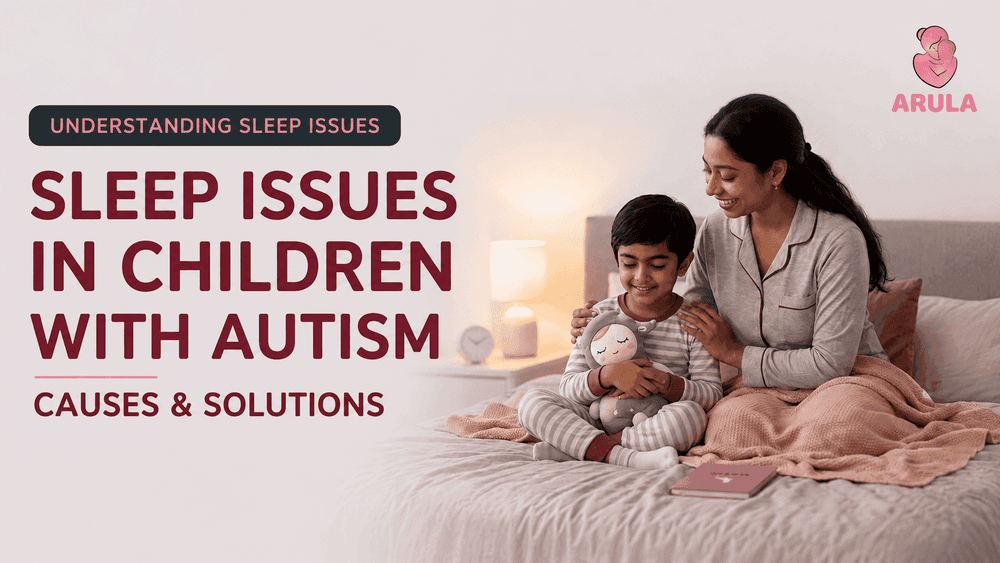
Research shows that 50–80% of children with autism experience chronic sleep difficulties. These sleep issues can significantly impact a child's behavior, learning, and overall quality of life.
AF
ARULA for Autism
· 5 min read
Sleep is essential for every child’s growth, learning, and emotional well-being. But for many families raising children on the autism spectrum, bedtime often feels like the hardest part of the day. Research shows that 50–80% of children with autism experience chronic sleep difficulties, compared to about 25% of typically developing children (Couturier et al., 2005).
These challenges affect more than just the child—parents often report exhaustion, stress, and disrupted family routines. Poor sleep can also worsen daytime behaviors, making it harder for children to focus, regulate emotions, and participate in school or therapy. Understanding the why behind these sleep problems is the first step toward finding real solutions.
Common Sleep Issues in Autism
Sleep challenges in autism are not all the same. Some children may struggle only occasionally, while others face ongoing difficulties. The most common issues include:
Difficulty falling asleep: It can take an autistic child 1–2 hours (or more) to settle down. They may resist bedtime or become more energetic at night.
Frequent night wakings: Even if they fall asleep, many children wake up multiple times, sometimes staying awake for long stretches.
Early morning waking: Some children wake up as early as 4 or 5 a.m. and cannot return to sleep.
Irregular sleep cycles: Instead of following a typical sleep-wake rhythm, sleep may be fragmented and unpredictable.
For parents, these challenges often feel overwhelming. But when we break down the underlying causes, solutions start to become clearer.
There isn’t one single reason children with autism struggle with sleep—it’s usually a mix of biological, sensory, and behavioral factors.
1. Biological Factors
Research shows that some children on the spectrum have differences in melatonin production. Melatonin is a hormone that tells the body when it’s time to sleep and wake. If levels are low or irregular, falling asleep and staying asleep becomes much harder.
2. Sensory Sensitivities
Autistic children often experience the world more intensely. A blanket that feels “scratchy,” a ticking clock, a faint streetlight through the window, or even a change in room temperature can prevent restful sleep. What seems minor to us may feel overwhelming to them.
3. Anxiety and Overstimulation
Children with autism may have difficulty calming their bodies and minds at night. They may replay the day’s events, worry about upcoming changes, or resist the transition from a stimulating activity (like screen time) to quiet rest.
4. Co-occurring Conditions
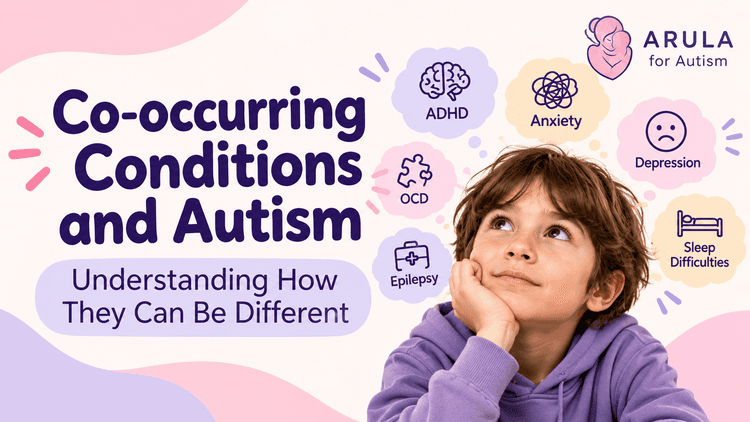
Sleep problems are sometimes linked to other medical issues common in autism, such as gastrointestinal discomfort, ADHD, or epilepsy. Addressing these conditions can often improve sleep quality.
Solutions: Helping Autistic Children Sleep Better
Every child is different, so solutions may take time and experimentation. However, research and parent experiences point to several strategies that are especially effective.
1. Consistent Bedtime Routine
A bedtime routine helps signal to the brain that it’s time to rest. The key is consistency—doing the same steps in the same order every night. For example:
Bath or shower → Pajamas → Brush teeth → Storytime → Calming music → Lights out
Keep the routine short (20–30 minutes) and predictable. Children with autism thrive on knowing what to expect next, and routines reduce anxiety around transitions.
2. Create a Sensory-Friendly Environment
The sleep environment should feel safe, calm, and comfortable. Consider:
Lighting: Use blackout curtains or a dim nightlight if total darkness is distressing.
Sound: White noise machines, fans, or calming music can mask disruptive noises.
Touch: Weighted blankets, soft pajamas, or specific bedding textures may help children feel secure.
Temperature: Keep the room cool and consistent—overheating can trigger night wakings.
Parents can experiment to discover their child’s unique sensory preferences.
3. Reduce Stimulation Before Bedtime
Screen time close to bedtime disrupts melatonin levels, making it harder to fall asleep. Replace screens with quiet, calming activities:
Reading picture books together
Gentle storytelling
Listening to soft, rhythmic music
Simple drawing or coloring
This helps the child’s brain and body transition into “sleep mode.”
4. Encourage Daytime Activity
Children who get enough physical exercise and outdoor play during the day tend to sleep better at night. This can be as simple as a walk after dinner, indoor dancing, or playground time. Exercise also reduces anxiety, which supports sleep.
5. Manage Medical and Behavioral Concerns
If sleep problems are severe or persistent, consult a pediatrician or developmental specialist. Sometimes, addressing co-occurring conditions (like reflux or seizures) or using medical supports (such as melatonin supplements, prescribed carefully) can be part of the solution.
ARULA’s Approach to Sleep Regulation
ARULA being mother centric that child directed module we emphasize more on voice and touch as an emotional and psychological phenomenon.
A caregiver’s natural voice and gentle touch have a stronger impact on a child’s nervous system compared to external sounds.
Why Voice and Touch?
Voice as Regulation – Research in developmental neuroscience shows that a familiar caregiver’s voice activates the child’s auditory cortex and limbic system (emotion centers), triggering oxytocin release. This not only soothes anxiety but also stabilizes heart rate and breathing, essential for better sleep.
Touch as Security – Gentle physical contact stimulates the release of serotonin and dopamine, neurotransmitters that help reduce cortisol (stress hormone). Touch is also processed through the somatosensory system, directly supporting emotional regulation and creating a sense of physical safety.
Polyvagal Theory Support – According to Dr. Stephen Porges’ polyvagal theory, the human nervous system responds to prosodic (soothing) vocal tones and safe, nurturing touch by shifting from a state of vigilance (fight-or-flight) to rest-and-digest, which is vital for quality sleep.
Outcome
By emphasizing voice and touch with musical enrichment ARULA helps children achieve deeper regulation, making them feel secure, calm, and ready for restorative sleep.
Final Thoughts
Sleep issues are common in children with autism, but they are not permanent or unmanageable. By understanding the causes—biological, sensory, and emotional—and using consistent, sensory-friendly routines, families can create calmer nights and more restful sleep.
The goal isn’t just more hours of sleep—it’s better-quality rest, which improves mood, focus, learning, and family harmony. With patient consistency, and with guidance from parent-led programs like ARULA, bedtime can transform from a nightly battle into a source of comfort for both child and parent.