
Article
Case Study 6: Building Listening and Learning Readiness
Case Background
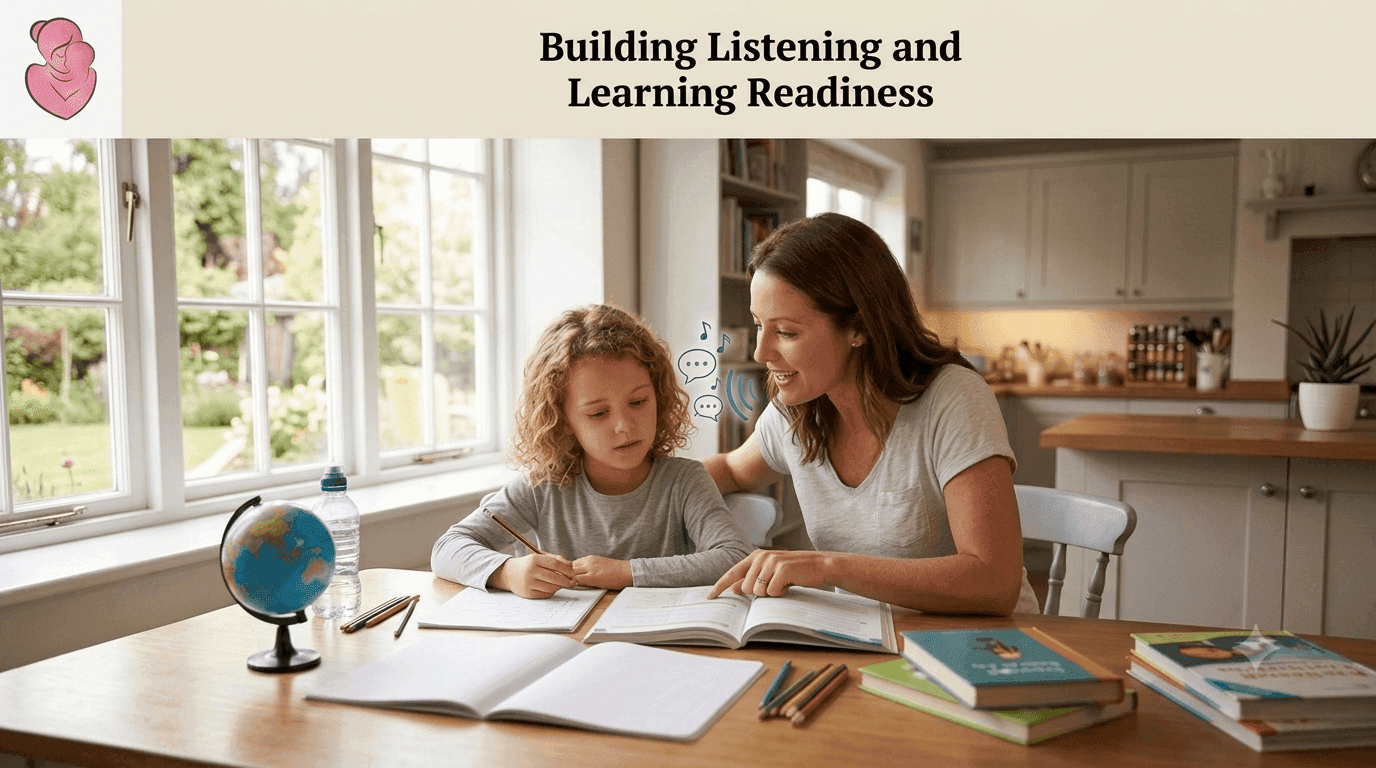
A young child was enrolled in the ARULA Holistic Speech & 18-Parameter Developmental Program with concerns related to communication, listening, sensory regulation, and learning readiness. The family sought a structured, parent-led intervention to improve the child's ability to communicate, participate in daily routines, and engage meaningfully with others. The intervention emphasized empowering parents to incorporate therapeutic strategies into everyday interactions while creating a supportive and consistent learning environment.
Before Therapy: Presenting Concerns and Initial Challenges
At the beginning of the program, the child demonstrated difficulties with sitting tolerance, following structured activities, and repeating tasks when prompted. Sensory sensitivities, particularly to certain sounds, often led to avoidance behaviours. Verbal stimming, reduced tolerance for academic activities, and occasional self-laughter affected sustained engagement. Environmental changes, including relocating to a new home, also posed additional challenges to maintaining routines and emotional regulation.
Despite these concerns, the child showed the ability to remain patient in certain situations and responded positively when activities were adapted to individual interests and comfort levels.
During Therapy: ARULA's Individualized Intervention Approach
The ARULA intervention focused on improving listening skills, emotional regulation, sensory processing, and functional communication through consistent parent involvement. Parents were coached to implement strategies such as parallel talking, modelling, sensory schedules, Dynamic and Excellence Programs, deep compression, structured exercise, recall-based learning, boundary setting, and close-proximity music for sound desensitization. Activities promoting movement, such as animal walks and swimming, were also incorporated to support regulation, motor development, and participation.
Across five Monthly Assessment Reviews, steady progress was observed. The child's understanding and ability to follow instructions improved, boundaries became more consistent, and independent participation in activities such as animal walks increased. Interest in dance emerged as a motivating strength, while eye contact and sitting tolerance improved considerably. Parents also reported better responsiveness during everyday routines and increased engagement in structured learning activities.
After Therapy: Clinical Progress
Through consistent home-based intervention and active parental participation, the child demonstrated meaningful improvements in receptive understanding, attention, emotional regulation, and participation. Eye contact, sitting tolerance, and compliance with instructions improved, while sensory challenges became more manageable through individualized regulation strategies. The child also developed greater independence during activities and showed increasing readiness for structured learning. Although verbal stimming and communication remain areas requiring continued support, the progress achieved has created a stronger foundation for future language, social, and academic development.
Conclusion
This journey highlights the importance of addressing foundational developmental skills through individualized, parent-led intervention. By strengthening listening, sensory regulation, attention, and engagement within natural environments, the ARULA Approach supported meaningful improvements that extended beyond therapy sessions into daily life. With continued consistency and family involvement, the child is well positioned to further develop functional communication, emotional regulation, and independence.
Disclaimer
The case studies presented in this article are based on real clinical cases. To protect client confidentiality and privacy, all identifying information, including names and personal details, has been modified or anonymized. Any resemblance to actual individuals is purely coincidental. These case studies are shared solely for educational, professional, and informational purposes, with a focus on developmental profiles, intervention approaches, and observed outcomes rather than individual identity.