
Article
Case Study 12: Building Social Engagement and Communication Readiness
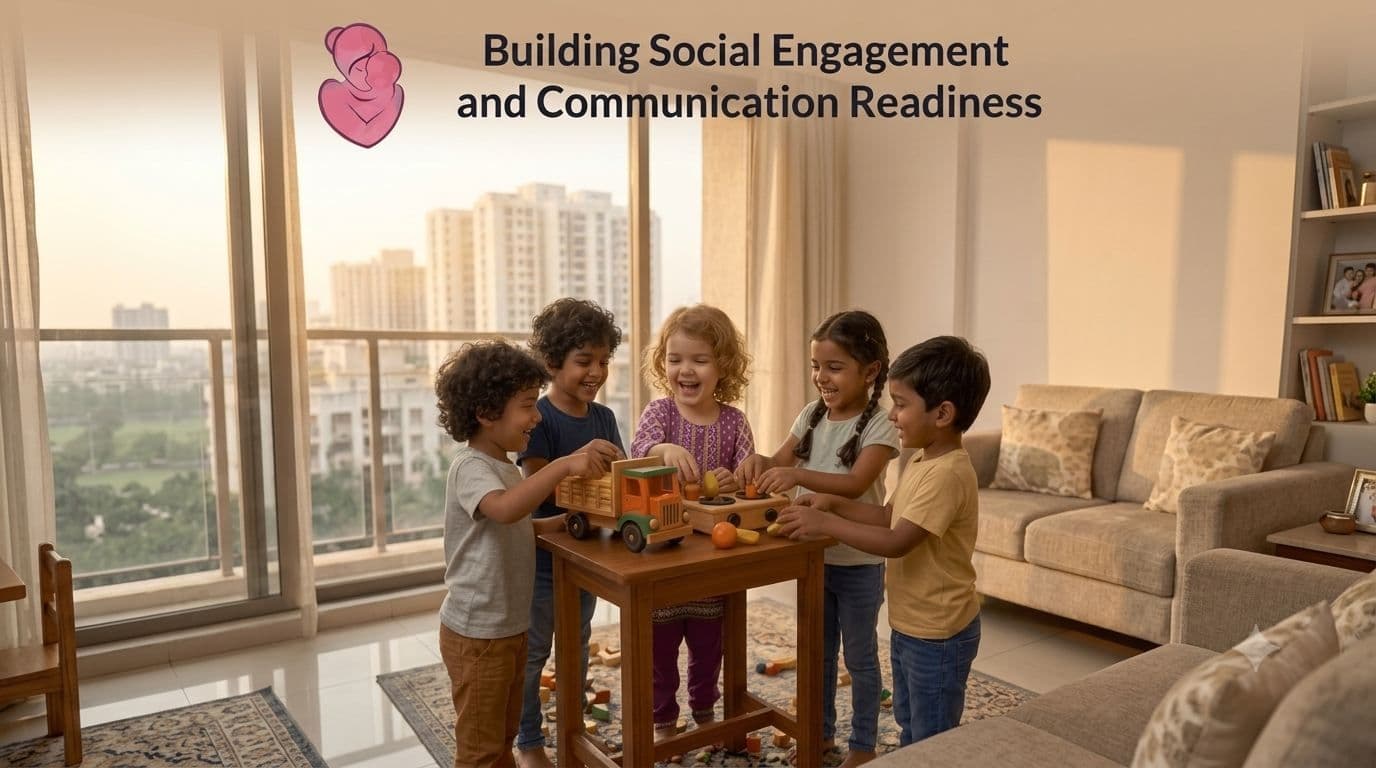
Case Background
Child E is a 6-year-5-month-old child diagnosed with Autism Spectrum Disorder (ASD) and Attention-Deficit/Hyperactivity Disorder (ADHD). The child enrolled in the ARULA Holistic Speech & 18-Parameter Developmental Program with concerns related to communication, attention, social interaction, and behavioural regulation. Although the child had previously acquired speech, there was a noticeable regression, resulting in minimal verbal communication. With strong family support and age-appropriate adaptive skills, the family sought a structured, parent-led intervention to rebuild communication and improve functional participation in everyday life.
Before Therapy: Initial Challenges
At the time of assessment, Child E communicated primarily to express basic needs, with very limited verbal output following the loss of previously acquired speech. Listening skills and understanding of spoken language were emerging but remained inconsistent, making it difficult for the child to engage in meaningful communication.
Eye contact, emotional expression, attention, and concentration were limited, affecting participation in social and learning activities. Behavioural concerns included frequent temper tantrums, throwing objects, hitting others, snatching items, and high activity levels. These behaviours, combined with sensory and self-regulation challenges, affected the child's ability to interact appropriately in daily routines and social settings.
Despite these challenges, Child E demonstrated several strengths, including good memory, age-appropriate motor development, healthy sleep and eating patterns, successful toilet training, and a highly supportive family environment.
During Therapy
The ARULA intervention focused on rebuilding functional communication by strengthening listening skills and receptive language as the foundation for expressive speech. Parents were guided to incorporate structured communication opportunities into daily routines, encouraging meaningful interactions through natural, everyday experiences.
Intervention also emphasized improving eye contact, emotional expression, attention, family bonding, and social engagement while addressing behavioural regulation through consistent caregiver involvement. Listening-based activities, structured routines, and parent-led communication strategies were used to increase responsiveness, reduce challenging behaviours, and create opportunities for functional language development within the home environment.
After Therapy
Throughout the intervention, Child E's strong adaptive abilities and family support provided a positive foundation for learning. Improvements in listening, receptive understanding, and engagement during daily interactions supported gradual progress toward functional communication. Increased participation in structured activities and greater responsiveness to caregivers reflected positive changes in communication readiness and social engagement.
Although expressive language, attention, emotional regulation, and behavioural management continue to require ongoing intervention, the child demonstrated a stronger foundation for future language development and meaningful participation across everyday settings.
Conclusion
Child E's journey highlights the importance of rebuilding communication by first strengthening foundational listening and receptive language skills. Through consistent parent participation and structured home-based intervention, the ARULA Approach supports improvements in communication, social engagement, attention, and emotional regulation while building upon the child's existing strengths. Continued intervention is expected to further enhance functional speech, behavioural regulation, and independence across home, school, and community environments.
Disclaimer
The case studies presented in this article are based on real clinical cases. To protect client confidentiality and privacy, all identifying information, including names and personal details, has been modified or anonymized. Any resemblance to actual individuals is purely coincidental. These case studies are shared solely for educational, professional, and informational purposes, with a focus on developmental profiles, intervention approaches, and observed outcomes rather than individual identity.